


Updated July 23, 2026
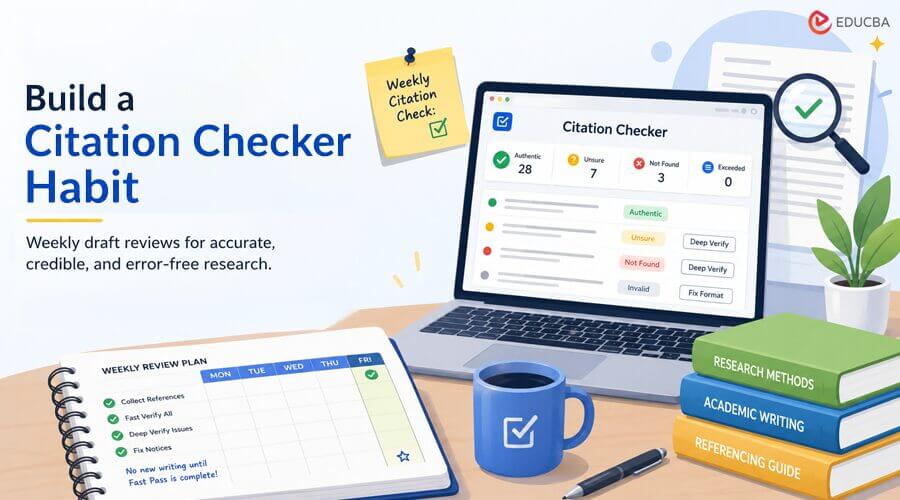
Submission night is the wrong time to discover a dead reference. A better rhythm is a short weekly pass while the draft is still soft. That is why building a Citation Checker habit into ordinary draft reviews beats a single heroic check at the end.
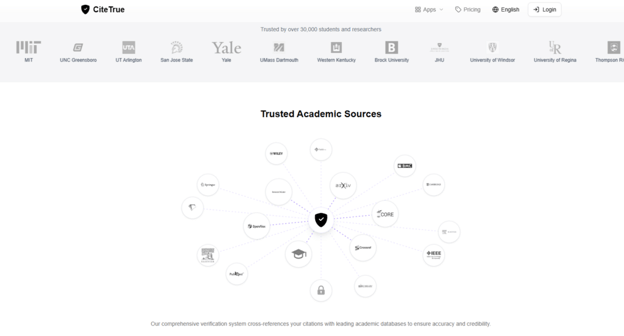
CiteTrue’s getting-started path is simple: paste citations, click Verify, review statuses, then escalate unclear cards. Free accounts include 30 verification credits each day. This tutorial turns that into a weekly lab habit, not a crisis ritual.
(Image Source: CiteTrue)
Set The Weekly Gate Before You Write More Prose
Pick one recurring moment: Friday afternoon, before advisor meeting, or after each major section. The gate is the same. No new chapter until last week’s references have a Fast pass.
- Export or copy the current bibliography as it stands
- Keep complete author, title, venue, year, and DOI when available
- Reserve free daily credits for the weekly Fast pass
- Leave Deep credits for Unsure and Not Found only.
A typical paper often sits around 20–50 citations. Early drafts may be shorter. Checking while the list is still growing catches fakes before they harden into your narrative.
Three Steps That Match The Live Citation Checker Habit Flow
Stay inside CiteTrue’s documented order in the first month. Custom processes can wait until the statuses feel familiar.
Step 1: Paste The Current Reference Block
Copy from your reference manager, Word bibliography, or compiled PDF list. Paste into the text box. Multiple citations can go in together; the system is built to detect and separate them.
Do Not Pre-Delete the Weird Lines
Leave suspicious entries in. Those are
Step 2: Run Fast Verify On The Batch
often the ones you need the tool to catch. If a line is not a citation, Invalid will tell you to clean formatting separately.
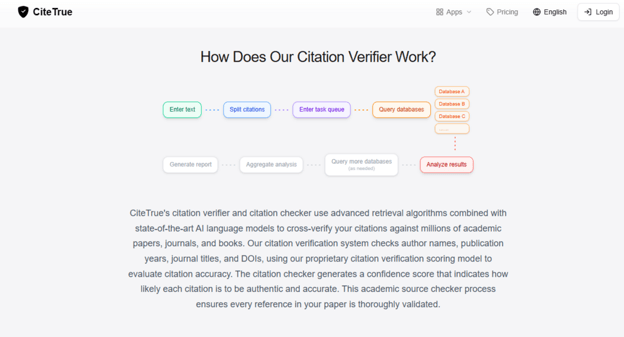
Click Verify. Fast Verify costs 1 credit per citation and is the default first pass. In normal use, CiteTrue reports that analysis takes a few seconds per citation. This is the core AI Citation Checker Habit loop for weekly drafts.
Read The Stats Bar Before You Rewrite
Look at totals and attention markers first. Authentic cards can wait. Unsure and Not Found cards become the week’s repair list. Exceeded means you hit the credit wall; split leftovers after top-up rather than shipping unchecked lines.
Step 3: Deep Verify Only The Sticky Cards
For Unsure or Not Found, click Deep Verify on those cards. Deep costs 5 credits and widens search with stronger models. The product guide recommends Fast for the full list, then Deep only on problem items.
If Deep still returns Not Found, consider suggested replacements or rewrite the claim. Replacements are gated after Deep so you do not spend them casually. Read each candidate before you swap it into the argument.

(Image Source: CiteTrue)
Mistakes That Break A Weekly Citation Checker Habit
- Skipping weeks until the list is huge and scary
- Running Deep on every citation every Friday
- Ignoring Authentic with Notice year fixes
- Treating Suggested Replacements as automatic truth.
Also match plan size to rhythm. Free 30/day fits light weekly checks. Labs with multiple theses may need Plus at 1,000/month or Pro at 3,000/month, as shown on the pricing page. Credit packs expire six months after purchase if you prefer burst capacity.
A Weekly Scorecard You Can Screenshot
| Check | Pass | Hold new writing |
| Fast on current list | Mostly Authentic | Many Unsure or Not Found |
| Deep on problem cards | Cleared or replaced | Still Not Found after Deep |
| Notices | Year and author fixed | Notices left for later |
| Credits | No Exceeded leftovers | Unchecked refs after Exceeded |
Save one clean week and one messy week as examples for coauthors. Shared recipes beat memory under deadline stress. Keep the scorecard boring: a screenshot and four checkboxes are enough.
Share The Citation Checker Habit Across Advisors And Teams
If your advisor wants proof, bring the stats bar and two Deep cards. Showing the process builds more trust than saying you double-checked in your head. Course instructors can reuse the same gate as a grading rule: no final upload without a Fast pass screenshot. That is easier to enforce than reading every bibliography by hand.
For group projects, put the recipe next to the shared bibliography: paste, Fast all, Deep yellow and red, fix notices. Tools fail when only one person knows the clicks. Name the weekly fix file with the paper title and date so overnight revisions do not lose track of which Notice items still need year corrections.
Protect Submit Day From Credit And Export Noise
If credits run out mid-list, stop and split leftovers into a second task. Leaving Exceeded cards unmarked in the PDF is how bad refs sneak through. Overleaf and Word users should paste from a compiled reference list near the end of the section, not from a messy midweek dump. Final formatting errors create Invalid cards that waste attention.
If a coauthor adds twenty refs on Thursday night, run an extra mini Fast on Friday morning. Do not wait for next week. When the weekly list barely changed, still run Fast. Incremental checks are cheap, and silent edits from coauthors are how bad refs appear.
Tighten The Habit After The First Month
Before you teach the whole lab, run the Friday Citation Checker Habit yourself on the hardest bibliography you own: multilingual entries, preprints, and older books. Easy lists build confidence. Difficult lists reveal where public indexes still need a human review.
Document failed cases alongside successful checks in the shared drive. A short note such as “Notice on year when EndNote exported 2016 instead of 2014” can save the next researcher from repeating the same paid mistake.
Track Your Deep Count
After the first month, compare how many Deep cards you needed each week. A falling Deep count usually means your library hygiene is improving.
If Deep counts remain high, inspect your export settings. Messy author initials and truncated titles often create Unsure cards that waste valuable Friday review time. Protect the Friday block like a scheduled class; moving it “just this once” is how the monster list returns.
Turn The Scorecard Into A Lab SOP
Treat the scorecard as a standard operating procedure, not a one-off tip sheet. When a new student joins, walk them through one messy week and one clean week so they can see the difference in Deep count, Notice fixes, and credit usage.
This practical onboarding is far more effective than another abstract lecture on academic integrity.
Standardize Coauthor Exports
If multiple coauthors use different reference managers, standardize the export style before Friday. Mixed BibTeX dialects can create Invalid lines and Unsure cards that appear to be research problems but are actually formatting noise.
Fix the export process once, then let Fast Verify handle the existence check.
Build A Field-Specific Typo Map
When Deep Verify recovers a source that Fast Verify missed, write one brief note about what was unusual in the original citation string. Over time, these notes become a field-specific typo map that highlights recurring problems such as:
- Truncated titles
- Inverted author order
- Incorrect preprint years.
That typo map is one of the most valuable returns on investment from a consistent weekly Citation Checker Habit.
Assign Citation Ownership
Labs that already assign figure ownership should add citation-card ownership to the same checklist. Figures without a named owner drift, and bibliographies without a named owner can remain hidden until submission week.
The scorecard only works when someone is clearly accountable for opening it, reviewing it, and fixing the remaining citation issues.
(Image Source: CiteTrue)
Make Pre-Submit Verification Boring On Purpose
CiteTrue works best when the check is routine. Use free daily credits to lock the Citation Checker Habit, then upgrade only when volume forces it. Skip the ritual if you still have no references to check, or if you need discovery outside public academic indexes. Boring Friday verification is the point. Exciting submission-night archaeology is the failure mode.
Recommended Articles
We hope this guide helps you build a strong Citation Checker Habit through consistent weekly reviews, faster verification, and cleaner academic references. Explore these recommended articles for more insights into citation management, research accuracy, academic writing, reference verification, and scholarly publishing best practices.


