


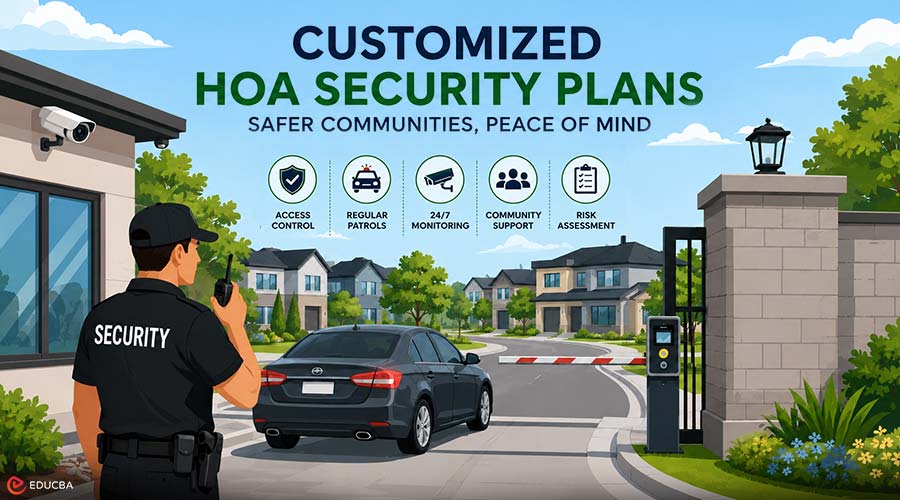
Every homeowners’ association faces different security concerns. Factors such as community size, resident needs, property layouts, and local risks can differ greatly between neighborhoods. This is why many communities are shifting toward customized HOA security plans instead of generic security programs. Tailored security strategies focus on the specific concerns of each community, helping HOAs improve safety, optimize resources, and create a more secure living environment.
Why Every HOA Community Has Different Security Needs?
Effective security starts with understanding the community being protected. Providers such as First Choice Security Guard & Patrol Services recognize that no two neighborhoods face the same risks, making tailored security planning a practical approach.
1. Community Size and Layout
Large communities often contain multiple entrances, recreation areas, parking facilities, and residential sections. These features create security requirements that differ from those of smaller developments. A well-designed security strategy considers how residents move through the property and identifies areas that require additional monitoring or patrol coverage.
2. Resident Demographics
Communities with families may have different concerns than neighborhoods primarily occupied by retirees. Resident lifestyles often influence security expectations and priorities. Understanding community characteristics helps security teams develop plans that align with daily activity patterns and resident concerns throughout the property.
3. Access Points and Entry Controls
Some communities operate with a single entrance while others maintain multiple gates and access routes. Each configuration presents unique challenges. Strong access management procedures help reduce unauthorized entry while supporting convenient movement for residents, guests, and service providers.
4. Shared Amenities and Facilities
Pools, clubhouses, fitness centers, playgrounds, and sports courts attract activity throughout the day. These spaces often require additional oversight. Focused amenity protection helps maintain safety while reducing opportunities for vandalism, misuse, or unauthorized access to shared facilities.
5. Local Crime Trends
Crime patterns can vary significantly between neighborhoods located only a few miles apart. Local conditions should influence security planning decisions. Reviewing risk factors allows communities to focus resources where they can have the greatest impact and provide the most preventive value.
6. Visitor and Vendor Traffic
Delivery drivers, contractors, guests, and service providers regularly enter HOA communities. Monitoring this activity is important for maintaining accountability. Proper visitor management helps track access while supporting a smooth experience for both residents and authorized visitors.
7. Budget and Security Priorities
Every HOA operates within financial limitations. Security plans should reflect available resources while still addressing critical concerns. A balanced resource allocation approach helps communities achieve meaningful protection without unnecessary spending or inefficiencies.
Key Benefits of Customized HOA Security Plans
Tailored security programs address specific risks instead of applying the same procedures to every property. This approach often delivers stronger results and better use of resources.
- Targeted Risk Management: Security efforts focus on the most relevant concerns within the community.
- Improved Access Control: Entry procedures can be adjusted to match property needs.
- Better Resource Allocation: Personnel and patrols are assigned where they provide the greatest value.
- Enhanced Resident Safety: Plans are developed around actual community activity patterns.
- Stronger Incident Response: Procedures reflect the property’s unique layout and requirements.
- Scalable Protection: Security measures can evolve as community needs change.
- Greater Community Confidence: Residents often feel more comfortable when security addresses local concerns.
How Tailored Security Strategies Improve Community Protection?
Customized security plans focus on practical solutions rather than standardized procedures. This flexibility helps communities address vulnerabilities more effectively.
1. Customized Patrol Schedules
Not every community experiences activity at the same time. Some neighborhoods require increased monitoring during evenings, while others face concerns during daytime hours. Strategic patrol planning ensures security resources are available when and where they are most needed throughout the property.
2. Property Specific Risk Assessments
Security professionals evaluate layouts, traffic patterns, lighting conditions, and community operations. These assessments help identify vulnerabilities. A detailed property evaluation creates a foundation for security recommendations that align with actual conditions rather than assumptions.
3. Amenity Area Monitoring
Community amenities often attract both residents and visitors. These areas can become vulnerable during busy periods or after operating hours. Focused facility oversight helps reduce misuse while supporting a safe environment for residents who regularly use shared spaces.
4. Visitor and Contractor Management
Many communities experience frequent visitor traffic. Contractors, delivery services, and guests create additional access considerations. Effective entry procedures help verify authorized access while reducing opportunities for unauthorized entry.
5. Emergency Preparedness Planning
Communities should be prepared for unexpected situations. Medical incidents, severe weather, and security concerns require clear procedures. A comprehensive response framework helps security personnel and community leaders coordinate effectively during emergencies.
6. Technology Integration and Reporting
Modern security plans often incorporate cameras, visitor management systems, and reporting tools. These resources improve awareness and accountability. Consistent incident documentation provides valuable information that supports decision-making and future security improvements.
7. Professional HOA Security Services
Communities often benefit from security solutions designed specifically for residential environments. These services address HOA-specific needs. Specialized community protection programs become more effective when supported by professional HOA security services that understand residential security challenges.
Practical Features Often Included in HOA Security Plans
Security plans can be customized through a combination of personnel, procedures, and technology. The specific mix depends on community priorities and risks.
- Gate access monitoring
- Vehicle patrol services
- Visitor verification procedures
- Incident reporting systems
- Amenity area monitoring
- Parking enforcement support
- Emergency response coordination
- After-hours patrol coverage
- Resident communication protocols
- Security assessment reviews
Long-Term Advantages of a Customized Security Approach
The value of a customized security plan extends beyond immediate protection. Long-term benefits often improve both community operations and resident satisfaction.
1. Better Resident Satisfaction
Residents want to feel safe where they live. Security programs that address specific concerns often create greater confidence within the community. Improved resident trust can contribute to stronger engagement and a more positive perception of HOA leadership efforts.
2. Reduced Security Gaps
Generic security plans may overlook vulnerabilities unique to a particular neighborhood. These gaps can create opportunities for problems to develop. Targeted risk reduction helps ensure important concerns receive appropriate attention and resources.
3. More Effective Budget Use
Security investments should deliver measurable value. Tailored plans focus resources on areas that require the greatest attention. Efficient budget management helps communities maximize results while avoiding unnecessary expenditures on ineffective measures.
4. Faster Response to Concerns
Customized procedures allow security personnel to respond more effectively because they understand the property’s layout and priorities. Strong operational familiarity enables quicker decision-making in routine situations and during unexpected incidents.
5. Stronger Community Reputation
Communities with visible security programs often project a sense of organization and responsibility. This can influence resident perceptions. A positive community image may contribute to resident retention and broader confidence in neighborhood management.
6. Adaptability to Future Needs
The community needs to change over time. Population growth, new amenities, and evolving risks may require security adjustments. Flexible security planning allows programs to evolve without requiring a complete redesign of existing procedures.
7. Improved Overall Safety Culture
Security works best when residents, management, and security personnel share responsibility for community well-being. A strong culture of awareness encourages reporting, cooperation, and proactive efforts that support long-term safety objectives.
Final Thoughts
One-size-fits-all security plans rarely account for the realities of individual HOA communities. Customized HOA security plans consider property layouts, resident needs, local risks, and operational priorities to create more effective protection strategies. By focusing on specific concerns rather than generic solutions, tailored security plans help communities improve safety, use resources more effectively, and create a more secure living environment for residents over the long term.
Recommended Articles
We hope this guide to customized HOA security plans helps you understand effective community protection strategies. Explore these articles for more insights on improving security and safety.

