
What is Inbound Marketing?
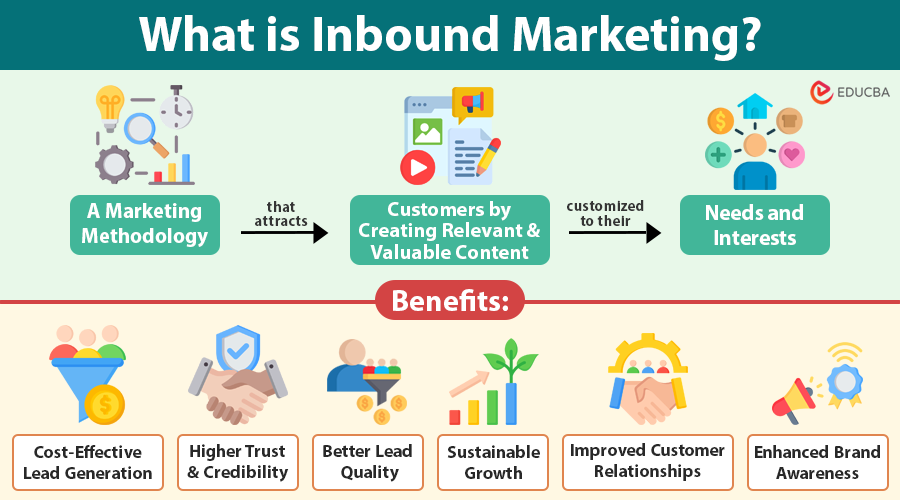
Inbound marketing is marketing methodology that attracts customers by creating relevant and valuable content customized to their needs and interests. The goal is to bring potential clients to your business organically rather than reaching out through intrusive advertising methods.
The strategy focuses on helping consumers throughout their buying journey by providing educational content, personalized experiences, and meaningful interactions.
For example, a software company may publish blog articles, tutorials, webinars, and case studies that answer common customer questions. Prospective buyers discover this content through search engines, social media, or referrals and gradually become interested in the company’s products or services.
Table of Contents:
Key Takeaways:
- Inbound marketing attracts customers through valuable content rather than disruptive advertising.
- SEO, content, email, and social media drive qualified leads organically.
- Customer-focused experiences build trust, credibility, loyalty, and long-term business growth.
- Consistent optimization and quality content are essential for sustainable marketing success.
How Does Inbound Marketing Work?
Inbound marketing follows a customer-centric approach. Instead of focusing solely on sales, it emphasizes building relationships and providing value.
The process typically consists of four stages:
| Stage | Objective |
| Attract | Bring relevant visitors to your website |
| Convert | Turn visitors into leads |
| Close | Convert leads into customers |
| Delight | Retain customers and encourage loyalty |
Each stage plays an important role in guiding prospects through the sales funnel.
Key Components of Inbound Marketing
Successful inbound marketing relies on several interconnected key components.
1. Content Marketing
Content marketing involves creating valuable, relevant content that attracts, educates, and engages audiences while building trust and authority.
2. Search Engine Optimization
Through keyword optimization, technical advancements, and high-quality content generation techniques, SEO increases a website’s visibility in search results.
3. Social Media Marketing
Social media marketing uses platforms to share content, engage audiences, increase brand awareness, and drive website traffic.
4. Email Marketing
Email marketing delivers personalized messages to prospects and customers, nurturing relationships, increasing engagement, and encouraging conversions.
5. Lead Generation
Lead generation attracts potential customers and collects contact information through valuable offers, enabling future marketing communications.
6. Marketing Automation
Marketing automation uses software to streamline repetitive marketing tasks, personalize interactions, and improve campaign efficiency significantly.
Tools and Platforms Used in Inbound Marketing
Below are the commonly used tools and platforms that help businesses effectively execute inbound marketing strategies across different channels and stages.
1. Content Management Systems
Platforms like WordPress and HubSpot help businesses create, publish, manage, and organize website content efficiently and consistently.
2. SEO Tools
SEO tools such as Google Search Console, SEMrush, and Ahrefs assist in keyword research, tracking rankings, and optimization.
3. Email Marketing Tools
Email marketing tools like Mailchimp and HubSpot enable automated campaigns, personalized messaging, and effective lead nurturing strategies.
4. Social Media Management Tools
Post scheduling, interaction tracking, and effective management of several social media accounts are all made possible by tools like Hootsuite and Buffer.
5. Marketing Automation Tools
Marketing automation tools streamline workflows, manage lead scoring, personalize customer journeys, and improve overall campaign performance significantly.
Benefits of Inbound Marketing
Businesses adopt inbound marketing because of its long-term benefits.
1. Cost-Effective Lead Generation
Inbound marketing generates qualified leads at lower costs while content continues attracting visitors and delivering value.
2. Higher Trust and Credibility
Educational content establishes expertise, helping businesses build trust, credibility, and stronger customer purchasing confidence.
3. Better Lead Quality
Inbound strategies attract users seeking solutions, resulting in more qualified leads with stronger purchase intent.
4. Sustainable Growth
Blogs, videos, and guides generate long-term traffic, supporting consistent growth and lasting business value.
5. Improved Customer Relationships
By prioritizing customer needs and support, businesses strengthen loyalty, satisfaction, and long-term customer retention.
6. Enhanced Brand Awareness
Consistent content increases visibility, expands audience reach, and helps businesses become recognized industry authorities.
Real-World Example of Inbound Marketing
Consider a cybersecurity software company targeting small businesses.
Step 1: Create Educational Content
The company publishes articles such as:
- How to Prevent Data Breaches
- Cybersecurity Tips for Small Businesses
- Common Online Security Threats
Step 2: Optimize for Search Engines
The content is optimized for keywords that business owners frequently search.
Step 3: Offer Valuable Resources
Visitors can download a free cybersecurity checklist by providing their email address.
Step 4: Nurture Leads
The company sends educational emails and invitations to webinars.
Step 5: Convert Customers
After building trust and demonstrating expertise, prospects purchase cybersecurity solutions. This process generates leads without relying heavily on traditional advertising.
Challenges of Inbound Marketing
While highly effective, inbound marketing has some challenges.
1. Requires Consistent Content Creation
Inbound marketing demands regular creation of valuable content to maintain audience engagement and support growth.
2. Results May Take Time to Appear
Building organic traffic and generating leads often requires patience before delivering measurable business results.
3. Strong Competition for Search Rankings
Businesses compete intensely for visibility, making high-quality content and SEO essential for success.
4. Ongoing Optimization Is Necessary
Campaigns require continuous monitoring, analysis, and improvements to maintain performance and achieve objectives.
5. Success Depends on Understanding Customer Needs
Effective inbound marketing requires deep audience insights to create relevant content and meaningful experiences.
Final Thoughts
Inbound marketing is customer-centric approach that attracts potential buyers through valuable content, SEO, social media, email marketing, and personalized experiences. By educating and helping consumers rather than interrupting them with advertisements, businesses build trust, generate qualified leads, enhance brand credibility, and achieve sustainable long-term growth in a digital-first marketplace.
Frequently Asked Questions (FAQs)
Q1. Why is content important in inbound marketing?
Answer: Content helps educate audiences, build trust, improve search visibility, and generate qualified leads.
Q2. How do you measure success of inbound marketing?
Answer: Success is measured through key metrics such as website traffic, search rankings, lead generation, conversion rates, customer acquisition costs, email engagement, and customer retention rates.
Q3. Is inbound marketing suitable for small businesses?
Answer: Yes. Inbound marketing is often cost-effective and can help small businesses compete with larger organizations by building authority and attracting targeted customers.
Q4. How long does it take to see results from inbound marketing?
Answer: Results vary, but most businesses see improvements in traffic and leads within few months, with stronger results typically appearing within 6–12 months.
Recommended Articles
We hope that this EDUCBA information on “Inbound Marketing” was beneficial to you. You can view EDUCBA’s recommended articles for more information.


