


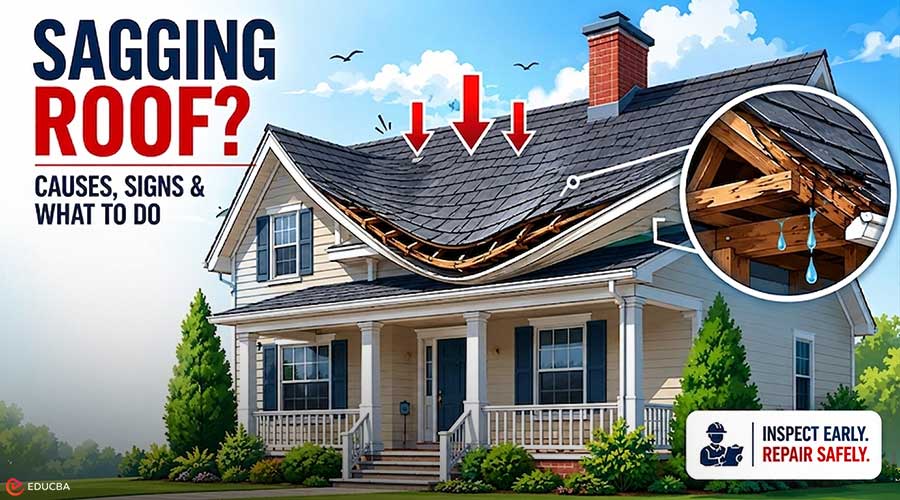
What a Sagging Roof May Mean and Why You Should Not Ignore It?
A sagging roof is often a clear indication that a home or building may have a serious underlying problem. While some roofing problems develop gradually and remain mostly cosmetic for years, roof sagging often indicates structural stress, water damage, or deterioration that require prompt attention.
Many property owners initially notice subtle warning signs, such as uneven rooflines, dips in sections, cracks in interior ceilings, or doors and windows that suddenly stop closing properly. In other cases, the sagging is visible from outside the building. Regardless of how severe it appears, a sagging roof should never be ignored. The longer the issue continues, the greater the risk of expensive structural damage, water intrusion, or even partial collapse in extreme cases.
Why Does Roof Sagging Happen?
Roof sagging is usually the result of underlying structural problems rather than surface-level roofing issues alone. One of the most common causes is water damage. Over time, as moisture enters the roofing system, wooden supports, decking, and framing components can weaken and deteriorate. As those structural elements weaken, sections of the roof may begin to dip or bow under their own weight. Age is another major factor. Older roofs naturally wear over time, and decades of weather exposure can significantly weaken materials.
In some cases, the problem stems from poor construction or undersized structural supports that were never designed to handle the actual weight load placed on the roof. Heavy snow accumulation, multiple roofing layers, or improperly installed equipment can also contribute to sagging. The exact cause matters because effective repairs depend on identifying the underlying structural issue rather than simply addressing surface symptoms.
A Sagging Roof is Often a Structural Warning Sign
Many roofing problems affect only the outer materials, such as shingles or flashing. Sagging is different because it often involves the structure supporting the roof itself. Roof rafters, trusses, joists, decking, and load-bearing walls all work together to distribute weight safely across the building. If one or more of these components weakens, the roof may no longer maintain its intended shape and support capacity.
This is why sagging roofs should be evaluated promptly by a professional. What initially appears to be a cosmetic dip could actually indicate deeper structural instability. In severe cases, continuing to place weight on the compromised structure can become dangerous.
Do Not Ignore Interior Warning Signs
Some homeowners assume roof issues are only visible from outside the property, but interior symptoms often provide important clues as well. Cracks forming near ceilings, doors sticking unexpectedly, sloping ceiling lines, or visible dips in attic framing can all suggest structural movement associated with roof sagging.
In some cases, drywall seams may separate, or floors may begin to feel uneven if structural stress affects larger areas of the home. These warning signs should not automatically cause panic, but they do warrant professional evaluation, as structural issues tend to worsen over time rather than resolve on their own.
Avoid DIY Structural Roof Repairs
While some roofing maintenance tasks are manageable for homeowners, sagging roof issues are generally not suitable for do-it-yourself repairs. Structural roofing problems can involve hidden damage, compromised framing, or unsafe load conditions, all of which require professional expertise.
Attempting to reinforce or modify the structure without proper assessment may worsen the issue or create safety risks. Walking on a sagging roof can also be dangerous because weakened sections may no longer support weight reliably.
A Professional Inspection Should Happen Quickly
If you suspect roof sagging, scheduling a professional inspection should be a priority. An experienced roofing professional can assess visible damage, inspect attic framing, identify moisture intrusion, and determine the severity of the structural issues. In some situations, an engineer may also become involved if major structural concerns are present.
The inspection process helps clarify whether the sagging is localized or part of a broader structural problem affecting the building. It also provides a clearer understanding of repair options and urgency. Waiting too long can allow moisture damage and structural stress to spread further throughout the property.
Preventative Maintenance Reduces the Risk
While not every roof problem is preventable, regular maintenance greatly reduces the likelihood that serious sagging issues will develop unnoticed. Routine inspections, gutter cleaning, leak repairs, attic ventilation management, and prompt storm damage assessment all help extend the roof’s lifespan and protect its structural integrity.
Repairing Your Sagging Roof
A sagging roof is not a problem that should be dismissed or postponed. In many cases, it signals underlying structural stress, water damage, or long-term deterioration that may worsen significantly over time. The most important step is obtaining a professional evaluation quickly. Early assessment helps identify the root cause, assess the problem’s severity, and develop a safer, more cost-effective repair plan.
While the repairs may range from moderate to substantial depending on the situation, addressing the issue promptly is usually far less expensive (and far safer) than waiting for the damage to progress further.
Final Thoughts
A sagging roof is often more than a cosmetic concern. It can be an early warning sign of serious structural problems that require immediate attention. By spotting warning signs early, getting professional help, and keeping up with regular roof maintenance, you can safeguard your property from expensive repairs and potential safety risks. When it comes to a sagging roof, early action is always the best investment.
Recommended Articles
We hope this comprehensive guide on sagging roof issues helps you better understand the causes, warning signs, and repair options. Check out these recommended articles for more effective repair solutions to protect your property.

