


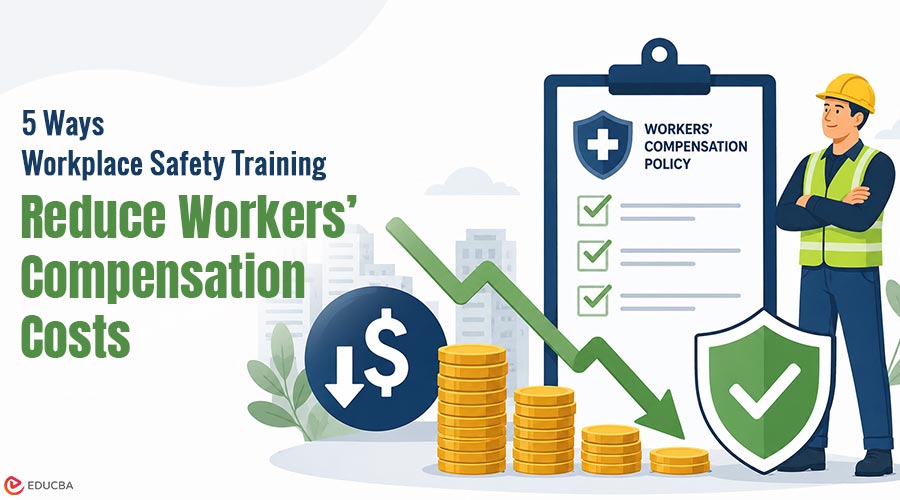
It goes without saying that workplace injuries can pose serious financial and operational challenges for any business. Among other things, consequences can include increased medical expenses, lost productivity, higher insurance premiums, and litigation costs if a workers’ compensation claim is successful. In many industries, even a single case can affect a company’s finances for years to come. Businesses can adopt several measures to reduce the likelihood of workers’ compensation claims. One of the best options is to provide comprehensive workplace safety training. Educated employees who understand workplace risks are significantly less likely to be injured on the job, which directly helps to reduce workers’ compensation costs.
5 Ways Workplace Safety Training Helps Reduce Workers’ Compensation Costs
Here are five ways that safety training can help businesses reduce workers’ compensation costs.
1. Decreases the Number of Work-Related Injuries
Reducing workers’ compensation costs requires, first, reducing the number of injuries. Safety training is the key. Companies that implement safety training help their employees identify potential workplace risks and navigate them properly. In many cases, injuries happen because workers are unaware of the existing risks and dangers. For instance, a lack of training may lead to accidents caused by incorrect machine use, improper lifting techniques, poor chemical handling, or careless vehicle operation. Training sessions should also teach employees about the importance of using personal protective equipment, responding to emergencies, and reporting detected hazards. If workers follow these rules, the incident rate will naturally decrease.
2. Minimizes the Severity of Injuries
Even if the safety measures do not eliminate workplace accidents, training can help to mitigate the number and severity of injuries. Employees who have undergone proper training will respond more effectively in potentially dangerous situations. For instance, workers trained to use machinery properly will know the correct procedure should they encounter problems. No business wants to see workplace injuries that harm workers and require workers’ compensation claims. Providing workers‘ compensation training courses can also help employees understand reporting procedures, workplace responsibilities, and best practices for reducing injury-related risks. Prioritizing employee training can be a win-win proposition. Organizations that regularly conduct safety training sessions tend to experience fewer catastrophic injuries and lower compensation costs.
3. Increases Employee Awareness and Hazard Reporting
Comprehensive safety training motivates employees to pay closer attention to workplace risks. If employees undergo proper training, they will understand that they should report the following hazards to managers or supervisors:
- Wet floors
- Faulty equipment
- Exposed wiring
- Blocked exit routes
- Unsafe lifting conditions
- Missing safety guards
- Bad lighting
This approach will help companies prevent accidents and save money on workers’ compensation claims.
4. Helps to Lower Insurance Premiums and Compensation Claims
Workers’ compensation insurance is a must for even the most safety-conscious companies. Even with the most proactive workplace safety culture, accidents will occur. That is one reason to find the right insurance coverage. Businesses with high rates of workplace injuries will, as expected, pay higher insurance premiums. So, companies that conduct safety training and have lower accident rates will have the most favorable insurance premiums.
5. Promotes Effective Return to Work Programs
Safety training also helps improve workplace processes, including those related to injury compensation. Businesses that pay close attention to safety issues are often better prepared to deal with injuries. Such organizations can ensure that their employees report injuries immediately, enabling faster medical treatment and preventing injuries from worsening. If employees trust their managers and see that their companies care about their health and well-being, they are more likely to cooperate during the return-to-work process. Good communication and safety-consciousness also help reduce the duration of absenteeism and associated injury-related costs.
Final Thoughts
Workplace safety training is one of the most effective strategies to reduce workers’ compensation costs. With proper workplace training, employees learn to identify potential risks and respond appropriately. It will make it much less likely that workers will be injured on the job. Apart from reducing the number of injuries, safety training also helps reduce their severity, promotes hazard reporting, lowers insurance costs, and facilitates the return-to-work process. Better workplace safety can also foster a positive atmosphere and improve efficiency, productivity, and profitability. As new types of risks emerge, safety training will become increasingly important for businesses.
Recommended Articles
We hope this guide helps you understand how workplace safety training helps reduce workers’ compensation costs. Explore these recommended articles for more insights into workplace safety and risk management.


