


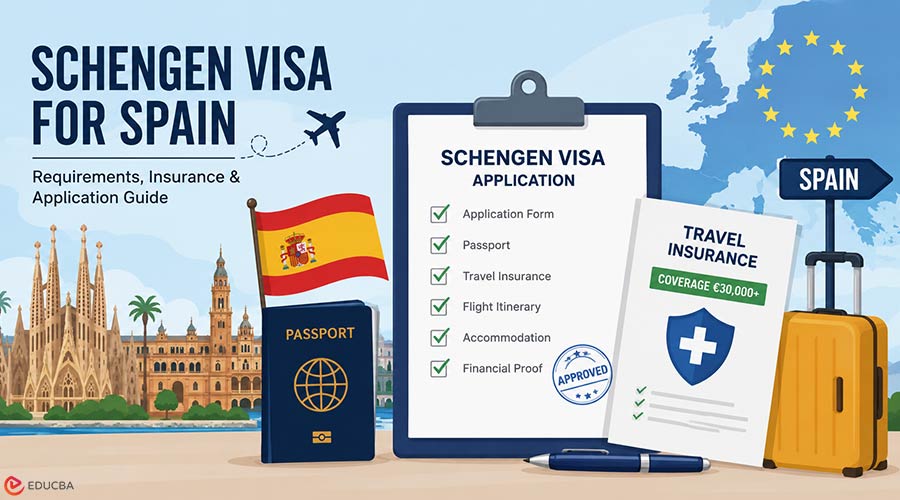
Planning a trip to Spain usually starts with a picture in your head before anything else. Maybe it is the idea of walking through Barcelona’s old streets or spending a slow evening in Madrid, and for a while, that excitement carries you through your planning. But once you move past browsing flights and start looking at visa requirements, things shift a little. It becomes less about imagination and more about getting the details right. Somewhere in that process, travel insurance for Schengen visa quietly becomes one of those things you can not afford to overlook.
Spain remains one of the most popular entry points into the Schengen region, especially for first-time travelers. According to SchengenVisaInfo, Spain issued over 1.5 million visas in 2023, underscoring the high volume. With so many applications being processed, the level of scrutiny naturally increases. That is where Spain starts to matter more than expected. It is not just about meeting a requirement anymore; it is about presenting something that fits perfectly with the rest of your application.
Why Does Spain Attract So Many First-Time Schengen Travelers?
There is a reason why so many people pick Spain as their first European destination. It feels accessible in a way that reduces hesitation, especially if you have not traveled internationally much before. The culture is lively without being overwhelming, transport is relatively easy to navigate, and there is a sense that you can figure things out even as you go. That comfort often extends to how people approach the visa process as well, and that is where things can go slightly off track.
Many travelers assume that because Spain receives a high number of applications, approvals are easier to get. But in reality, the volume makes the process more structured, not more lenient. Each application needs to stand out as complete and consistent, rather than just acceptable. It is a small difference in thinking, but it changes how you prepare your documents.
The Role of Travel Insurance in a Schengen Visa Application
Insurance might seem like a simple requirement on paper, but it plays a bigger role when your application is under review. Yes, the minimum coverage of €30,000 is standard, and most travelers are aware of that. But what often gets missed is how clearly that coverage is presented.
Visa officers are not just checking whether insurance exists; they are looking to see whether it aligns with your travel plan without raising any questions. If your policy dates do not match your itinerary or if the coverage details feel unclear, it creates a gap. And in a process where clarity is everything, even small gaps can affect how your application is perceived. It is not about overcomplicating things, but about making sure nothing feels uncertain.
What Makes Spain Slightly Different in Documentation Review?
Spain follows the broader Schengen guidelines, but the way documentation is reviewed tends to feel quite methodical. There is an emphasis on consistency, which sometimes surprises first-time applicants. Your insurance, travel dates, accommodation bookings, and even your intent should all align without contradiction.
For example, if your insurance ends exactly on your departure date without any buffer, it might still be technically correct, but it does not always feel complete. Small details like these do not automatically lead to rejection, but they do affect how smooth your application process feels. Spain’s approach is not about strictness so much as about clarity.
Common Misunderstandings About Insurance Coverage
One of the more common assumptions is that any policy labeled for Schengen travel will automatically be accepted. That is not always how it works. Some policies meet the requirements but do not communicate them clearly. Others may include limitations that are not immediately visible unless you read closely.
People often focus on getting insurance quickly rather than understanding what it actually covers. This leads to situations where the document exists but does not fully support the rest of the application. It is a subtle issue, which is why it catches many travelers off guard.
How Delays and Rejections Often Happen?
Most visa delays do not result from a single major mistake. They usually come from a combination of smaller issues that build up. A mismatch in travel dates, unclear insurance wording, or missing context in supporting documents can make your application feel incomplete.
Visa officers handle a large number of applications daily, so they rely on clarity and structure to make decisions efficiently. If something is not immediately clear, it slows things down. And in some cases, that delay results in rejection simply because the application did not appear fully reliable at first glance.
Using MakeMyTrip for a More Streamlined Process
When multiple documents need to align perfectly, having everything in one place can make a real difference. Platforms like MakeMyTrip (MMT) help bring that structure into your planning. When your bookings and insurance are handled in the same system, it becomes easier to avoid the inconsistencies that often occur when everything is managed separately.
MMT also makes it easier to review your details in a single flow, reducing the risk of missing something important. It does not eliminate the need for careful checking, but it makes the process feel more manageable, especially if you are applying for a Schengen visa for the first time.
How to Think Like an Embassy Officer While Choosing Insurance?
A useful way to approach your visa application is to think from the embassy’s perspective. Instead of asking what works for you, it helps to ask what looks clear and dependable to someone reviewing your documents. Does your insurance match your travel dates without any confusion? Are the coverage details easy to understand without digging too deep?
When you start thinking this way, your decisions become more intentional. You are not just completing a requirement; you are building an application that feels complete and easy to trust. That shift in thinking often makes a bigger difference than people expect.
Final Thoughts
Applying for a Spain Schengen visa is less about difficulty and more about getting the details right. Insurance, though often overlooked, plays a meaningful role in how your application is evaluated. When everything aligns clearly and you use structured platforms like MakeMyTrip to manage your bookings, the process becomes far smoother. Focusing on small details from the beginning can help you avoid unnecessary delays and proceed with greater confidence.
Recommended Articles
We hope this comprehensive guide to the Schengen visa helps you better understand the application process and requirements. Check out these recommended articles for more tips to make your journey smoother and more successful.

