


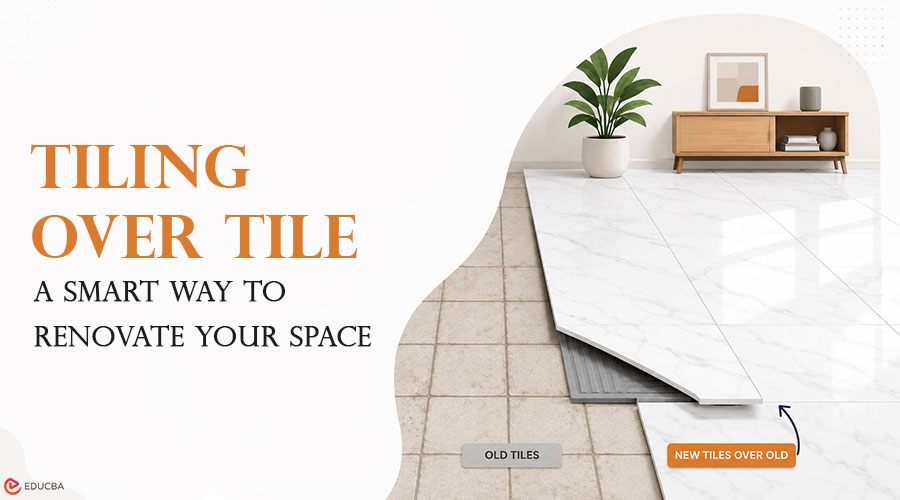
Many homeowners looking to renovate a bathroom, kitchen, or floor eventually ask the same question: Can you tile over tile instead of removing the existing surface first? In many situations, the answer is yes. Installing new tile over existing tile can save time, reduce demolition work, and lower renovation costs. However, tiling over tile is successful only when the original tile is structurally sound, properly bonded, and properly prepared before the new installation begins. While the process may sound simple, there are important limitations and risks that homeowners should understand before deciding whether tile-over-tile installation is the right choice for their project.
When Tiling Over Existing Tile is Possible?
Not every tile surface is suitable for a second layer of tile. The condition of the original installation plays a major role in whether the new tile will last.
1. The Existing Tile Must Be Secure and Stable
The original tile should be firmly attached to the wall or floor, with no movement. Loose, cracked, or hollow-sounding tile creates instability underneath the new layer. Even small amounts of movement underneath the surface can eventually lead to cracked grout lines, broken tile, or failed adhesion in the new installation. Before tiling over existing tile, every section of the surface should be carefully checked for weak spots or damaged areas.
2. The Surface Must Be Flat and Even
Uneven tile surfaces often transfer imperfections directly into the new tile layer. High spots, dips, or poorly aligned tile underneath can make the finished installation look uneven and unprofessional. In many cases, the surface may need leveling or additional preparation before new tile can be installed successfully.
3. Moisture Damage Cannot Be Present
Bathrooms, showers, kitchens, and laundry rooms are especially vulnerable to hidden moisture issues behind existing tile. If water has already penetrated behind the original tile installation, adding another layer on top may trap the problem and allow damage to worsen over time. This is why inspecting for soft spots, mold, loose grout, or water damage is critical before beginning the project.
Benefits of Tiling Over Tile
When done correctly, tiling over tile can provide several practical advantages.
1. Reduced Demolition Time
One of the biggest benefits is avoiding demolition. Removing old tile is often one of the most time-consuming and labor-intensive parts of a remodel. By keeping the original tile in place, homeowners can significantly reduce dust, debris, and cleanup.
2. Lower Remodeling Costs
Demolition and disposal costs can add up quickly during a renovation project. Tiling over tile may reduce labor costs and shorten the overall timeline. In some situations, this approach can make a renovation more affordable without sacrificing appearance.
3. Avoiding Damage to Subfloors or Walls
Removing old tile sometimes damages the underlying wall or floor structure. Cement board, drywall, or subfloor materials may need repair after demolition. Leaving the original in place can help minimize the risk of damaging these underlying surfaces.
Drawbacks and Risks of Tiling Over Tile
Although tiling over tile can work well in the right conditions, there are also limitations homeowners should consider carefully.
1. Increased Floor or Wall Thickness
Adding a second layer increases the surface’s overall thickness. On floors, this may create transition problems between rooms or interfere with door clearance. In kitchens or bathrooms, added wall thickness can also affect trim, outlets, cabinets, or fixtures.
2. Existing Problems Can Be Hidden
One of the biggest risks is covering up problems instead of fixing them. Loose tile, failing grout, or hidden moisture damage underneath the old installation will not disappear simply because new tile is installed on top. Over time, these issues can also affect the durability of the new tile.
3. Added Weight and Structural Considerations
The tile itself is heavy, especially when multiple layers are involved. Older homes or weakened subfloors may require structural evaluation before adding additional weight. For larger remodeling projects involving structural concerns, uneven surfaces, or moisture-related issues, homeowners often work with experienced renovation contractors like Capital Construction to evaluate whether tiling over tile is actually the best long-term solution.
How to Prepare Existing Tile Before Installing New Tile?
Preparation is one of the most important parts of a successful installation.
1. Clean the Surface Thoroughly
Existing tile should be cleaned thoroughly to remove soap residue, grease, dust, and oils that could interfere with adhesion. Bathrooms and kitchens often contain buildup that prevents mortar from bonding correctly.
2. Repair Cracked or Loose Areas
Any cracked, loose, or damaged sections should be repaired before new tile is installed. If the underlying tile is unstable, the new layer will eventually experience the same problems.
3. Sand or Abrade the Existing Tile
Glossy tile surfaces are not ideal for mortar adhesion. Light sanding or surface abrasion helps create texture that allows thin-set mortar to bond more effectively. Some installers also use specialized bonding products designed for tile-over-tile applications.
4. Apply the Correct Bonding Primer if Needed
Depending on the material and installation method, a bonding primer may help improve adhesion between the old tile and the new mortar layer. Following manufacturer recommendations for preparation and cure times is important for long-term durability.
What Type of Mortar Should You Use?
The mortar used for tile-over-tile installation matters significantly.
1. Why Standard Adhesives May Fail?
Not all tile adhesives are designed to bond to existing glazed tile surfaces. Using an unsuitable product can lead to weak adhesion and potential tile failure over time. Modified thin-set mortar is often recommended because it provides stronger bonding performance.
2. Choosing Products Designed for Tile-Over-Tile Applications
Some mortars are specifically designed for difficult surfaces, such as existing tile. These products help improve adhesion and moisture resistance. Bathrooms, showers, and kitchen areas especially benefit from high-quality bonding materials.
3. Following Manufacturer Recommendations
Every mortar product has specific installation guidelines regarding cure times, moisture exposure, and substrate preparation. Skipping these instructions can reduce the lifespan of the installation.
Where Tiling Over Tile Works Best?
Some applications are better suited for tile-over-tile installation than others.
1. Bathroom Walls and Backsplashes
Vertical surfaces with minimal foot traffic often perform well when tiled over existing tile. Bathroom walls and backsplashes are common areas where this method can provide a fast cosmetic update.
2. Kitchen Floors With Stable Substrates
Kitchen floors may also work well if the existing tile is solid, flat, and free from movement or moisture damage. Proper preparation becomes especially important in high-traffic areas.
3. Decorative Accent Areas
Accent walls and decorative features are often easier to tile over because they experience less wear and structural stress.
When Should You Remove the Old Tile Instead?
In some cases, removing the original tile is the better long-term solution.
1. Loose, Cracked, or Water-Damaged Tile
If the existing tile is damaged or unstable, installing new tile on top usually creates additional problems later. Moisture damage behind tile may continue to spread if not addressed directly.
2. Significant Height Problems
Extra tile thickness can interfere with flooring transitions, cabinetry, doors, appliances, or plumbing fixtures. If height becomes excessive, full tile removal may be necessary.
3. Structural or Waterproofing Failures
Bathrooms and showers with failing waterproofing systems often require complete replacement rather than cosmetic layering. When homeowners discover damaged tile, failing grout, or unstable surfaces beneath the existing installation, professional specialists such as Kibuk Tile And Construction help determine whether replacing is safer than installing new tile over the old surface.
DIY vs. Professional Tile Installation
Some homeowners complete installations themselves, but larger or moisture-prone areas may benefit from professional evaluation.
1. When DIY Installation May Work?
DIY installation may be reasonable for:
- Small backsplash projects
- Decorative wall tile
- Stable bathroom walls
- Simple layouts with minimal cutting
Homeowners with previous remodeling experience may feel more comfortable handling preparation and installation.
2. When Professional Evaluation is Recommended?
Professional evaluation is often recommended for:
- Bathrooms and showers
- Large floor installations
- Older homes
- Uneven surfaces
- Moisture-prone environments
- Structural concerns
Proper preparation is usually what determines whether the installation lasts long term.
Final Thoughts
So, can you tile over tile? In many situations, yes. When the original tile is stable, flat, dry, and properly prepared, installing it can save time and reduce demolition work. However, convenience should never replace proper evaluation and preparation. Existing moisture damage, loose tiles, structural issues, or significant height concerns can lead to long-term problems if ignored. Before beginning the project, homeowners should carefully inspect the current tile installation and consider the long-term appearance beyond short-term aesthetics. In some cases, it may provide an efficient upgrade. In others, full removal and replacement may be the more durable long-term investment.
Recommended Articles
We hope this comprehensive guide helps you make informed renovation decisions and achieve a durable, professional-looking finish. Check out these recommended articles for more home improvement insights.

