


What is Currency Hedging?
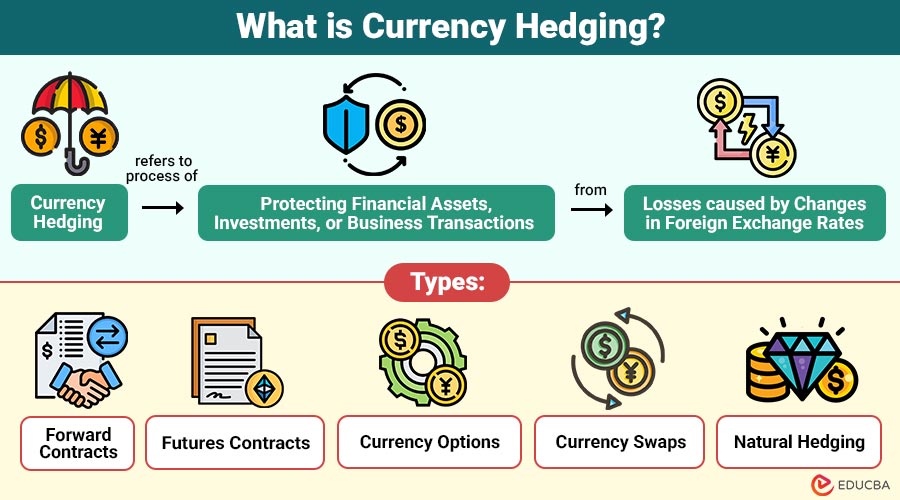
Currency hedging refers to the process of protecting financial assets, investments, or business transactions from losses caused by changes in foreign exchange rates.
For example, imagine a company in India importing machinery from Europe and having to pay in euros after three months. If the euro strengthens during that period, the company will need to spend more Indian rupees to complete the payment. To avoid this uncertainty, the company can hedge the currency risk using financial contracts that lock in the exchange rate.
Table of Contents:
- Meaning
- Importance
- Working
- Types
- Common Users
- Advantages
- Disadvantages
- Real-World Example
- Key Factors to Consider before Hedging
Key Takeaways:
- Currency hedging protects businesses and investors from unpredictable fluctuations in foreign exchange rates and associated financial losses.
- Hedging strategies improve budgeting accuracy, cash-flow stability, and confidence in international business operations.
- Effective currency hedging balances financial protection, operational flexibility, costs, market volatility, and business growth objectives.
- Successful hedging requires evaluating exposure size, market volatility, hedging costs, financial expertise, and organizational risk tolerance.
Why is Currency Hedging Important?
Currency hedging is important because exchange rate fluctuations can significantly impact international business operations, investments, and financial planning. Here are the major factors influencing currency volatility and their effects:
1. Inflation
Rising inflation reduces the value of the currency, increasing international transaction costs and financial uncertainty.
2. Interest Rate Changes
Interest rate fluctuations influence currency demand, affecting trade, investments, and borrowing expenses globally.
3. Political Instability
Political uncertainty weakens investor confidence, causing sudden currency depreciation and market volatility worldwide.
4. Economic Recessions
Economic downturns reduce currency strength, significantly impacting international trade and investment performance.
5. Global Conflicts
Wars and geopolitical tensions disrupt markets, leading to unpredictable currency movements and international financial risks.
6. Central Bank Decisions
Central bank policies influence exchange rates, impacting business revenues and international purchasing power.
7. Market Speculation
Speculative trading activities create rapid currency fluctuations, increasing uncertainty for businesses and investors.
These fluctuations can directly affect:
1. Business Profits
Currency fluctuations directly impact profit margins from international sales, purchases, and overseas operations.
2. Import and Export Costs
Exchange rate changes alter product pricing, affecting international trade competitiveness and operational expenses.
3. Investment Returns
Foreign-currency movements influence investment values, affecting returns from international assets and portfolios.
4. International Project Budgets
Currency volatility increases project costs, affecting the accuracy of budgeting and global financial planning.
5. Cash Flow Planning
Unstable exchange rates complicate cash flow forecasting, reducing financial stability and operational predictability.
How Does Currency Hedging Work?
Currency hedging typically involves entering into financial agreements that offset potential losses from exchange rate movements.
For example:
- A business expecting foreign currency payments may lock in today’s exchange rate.
- An investor with overseas assets may use hedging tools to protect the value of their investment.
- Importers and exporters may hedge future transactions to reduce uncertainty.
If exchange rates move unfavorably, the hedge helps reduce losses. If rates move favorably, the business may not fully benefit from the positive movement, but it gains predictability and protection.
Types of Currency Hedging
Below are the most common currency hedging strategies used by businesses and investors worldwide.
1. Forward Contracts
A forward contract locks in exchange rates today for future international payments, reducing currency risk.
2. Futures Contracts
Currency futures are exchange-traded contracts that fix future currency prices, helping businesses manage market volatility effectively.
3. Currency Options
Currency options provide flexibility by allowing exchanges at predetermined rates without mandatory transaction obligations later.
4. Currency Swaps
Currency swaps exchange loan payments between currencies, helping organizations manage long-term foreign exchange exposure efficiently.
5. Natural Hedging
Natural hedging minimizes currency exposure by matching foreign revenues with expenses in the same currency.
Common Users of Currency Hedging
Below are the major groups that commonly use currency hedging to manage foreign exchange risks effectively.
1. Businesses
International businesses use currency hedging to stabilize profits, manage costs, and reduce unpredictable exchange rate fluctuations.
2. Investors
International investors hedge currency exposure, protecting portfolio returns from sudden foreign exchange market volatility and risks.
3. Financial Institutions
Banks and financial institutions hedge foreign exchange exposure, reducing trading risks and maintaining financial market stability.
4. Governments
Governments hedge foreign debt obligations, protecting national reserves from unpredictable global currency exchange rate movements.
Advantages of Currency Hedging
Below are some major advantages of using currency hedging strategies for businesses and investors globally.
1. Reduces Financial Uncertainty
Currency hedging provides predictable exchange rates, significantly improving financial planning, forecasting accuracy, and overall business stability.
2. Protects Profit Margins
Businesses avoid unexpected financial losses caused by unfavorable currency fluctuations affecting international transactions and operating expenses.
3. Improves Cash Flow Management
Stable exchange rates help organizations manage international payments, revenues, budgeting, and operational cash flows efficiently.
4. Supports International Expansion
Currency hedging enables businesses to confidently enter global markets while minimizing financial risks from exchange rate volatility.
5. Enhances Investment Stability
Investors protect international portfolio values against currency depreciation, reducing risks affecting long-term investment performance and returns.
Disadvantages of Currency Hedging
Below are some common disadvantages businesses and investors may face when using currency hedging strategies.
1. Additional Costs
Certain hedging instruments involve premiums, transaction fees, and administrative expenses, significantly increasing overall business operational costs.
2. Limited Gains
Businesses using hedging may miss additional profits when currency exchange rates move in their favor during international transactions.
3. Complexity
Advanced hedging strategies require financial expertise, market knowledge, and effective monitoring of global currency movements.
4. Counterparty Risk
Some hedging contracts depend heavily on counterparties fulfilling obligations, creating potential financial risks during defaults.
5. Limited Flexibility
Certain hedging agreements lock businesses into fixed exchange rates, reducing flexibility during changing market conditions.
6. Inaccurate Forecasting Risks
Incorrect currency predictions may lead businesses to choose unsuitable hedging strategies, resulting in unexpected financial losses.
Real-World Example
Below is a simple example showing how currency hedging protects businesses from exchange rate fluctuations.
Suppose a company in Japan exports electronics to Europe and expects payment of €1 million after six months.
If the euro weakens during that period, the company may receive fewer Japanese yen after conversion, reducing profits.
To avoid this risk, company can use a forward contract to lock in exchange rate today. Even if the euro falls later, the company still receives the agreed conversion value. This protects revenue and helps the business maintain financial stability.
Key Factors to Consider Before Hedging
Before implementing a currency hedging strategy, organizations should evaluate:
1. Size of Currency Exposure
Organizations should measure their total foreign-currency exposure before selecting appropriate hedging strategies and financial instruments.
2. Transaction Frequency
Businesses conducting frequent international transactions often require continuous hedging strategies to ensure consistent financial protection.
3. Market Volatility
High currency market volatility increases exchange rate risks, making hedging strategies more important for businesses.
4. Hedging Costs
Organizations must evaluate premiums, fees, and administrative expenses before implementing currency hedging strategies effectively today.
5. Business Goals
Currency hedging strategies should align carefully with organizational objectives, growth plans, and financial stability requirements.
6. Financial Expertise
Successful hedging requires financial knowledge, market analysis skills, and a thorough understanding of complex foreign exchange instruments.
7. Risk Tolerance
Businesses should assess acceptable financial risk levels before choosing suitable currency hedging methods and strategies effectively.
Final Thoughts
Currency hedging helps businesses and investors reduce risk from exchange rate fluctuations that affect profits and investments globally. Using strategies such as forwards, futures, options, swaps, and natural hedging improves financial stability, budgeting, and cash-flow management. Despite costs and complexities, effective hedging supports confident international operations, long-term growth, and predictable financial performance.
Recommended Articles
We hope that this EDUCBA information on “Currency Hedging” was beneficial to you. You can view EDUCBA’s recommended articles for more information –


