
What is Sensory Marketing?
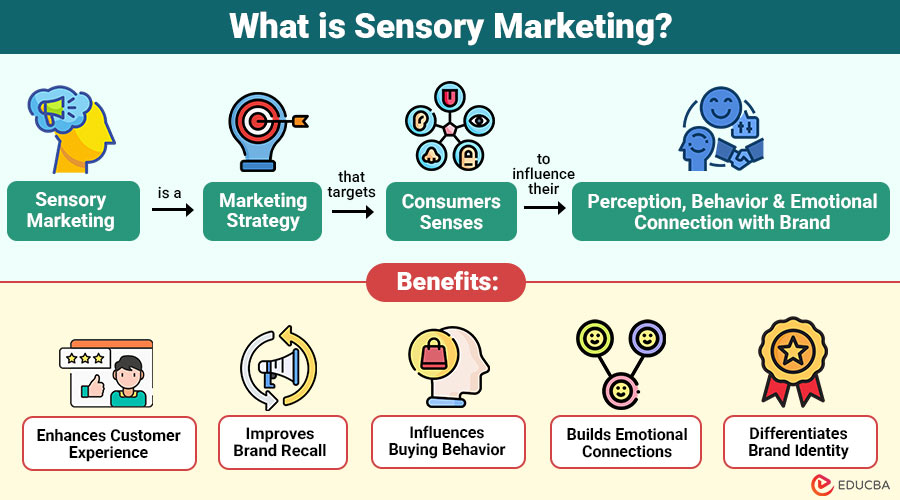
Sensory marketing is a marketing strategy that targets consumers’ senses to influence their perception, behavior, and emotional connection with a brand. It is based on the idea that sensory experiences can trigger memories, shape preferences, and enhance customer satisfaction.
Unlike traditional marketing, which primarily focuses on visual and verbal communication, sensory marketing creates multi-sensory experiences that make brands more engaging and memorable.
Table of Contents:
Key Takeaways:
- Sensory marketing engages all five senses to influence customers’ perceptions, emotions, and purchasing decisions.
- Multi-sensory experiences enhance brand recall, strengthen emotional connections, and differentiate brands in highly competitive markets.
- Successful strategies focus on relevant senses, maintain consistency, and optimize experiences based on customer feedback.
- While effective, sensory marketing requires careful execution to avoid overstimulation, high costs, and measurement challenges.
Five Types of Sensory Marketing
Below are the five key types of sensory marketing that engage different human senses to enhance customer experience:
1. Visual Marketing (Sight)
Visual marketing uses design elements like color, imagery, lighting, packaging, and layout to attract attention, shape perception, communicate brand identity, and influence customer purchasing decisions.
- Colors influence emotions and perceptions
- Attractive packaging increases product appeal
- Store layouts improve customer navigation
- Logos and visuals enhance brand recognition
For example, brands like Apple use minimalist design and clean visuals to convey sophistication and innovation.
2. Auditory Marketing (Sound)
Auditory marketing uses sound elements such as music, jingles, voice, and audio branding to influence emotions, enhance recall, create atmosphere, and strengthen overall brand recognition.
- Background music sets the shopping atmosphere
- Jingles improve brand recall
- Voice tone in ads builds personality
- Sound logos create instant recognition
A famous example is McDonald’s and its iconic “I’m Lovin’ It” jingle, which reinforces brand identity worldwide.
3. Olfactory Marketing (Smell)
Olfactory marketing uses scents and fragrances to evoke emotions, trigger memories, enhance environments, create positive associations, and influence customer behavior and purchasing decisions.
- Pleasant aromas enhance customer experience
- Signature scents strengthen brand identity
- Smell can influence purchase decisions
For example, Starbucks uses the rich aroma of coffee to create a welcoming and comforting environment.
4. Gustatory Marketing (Taste)
Gustatory marketing focuses on taste experiences to attract customers, encourage product trials, differentiate offerings, build satisfaction, and create emotional connections with food and beverage brands.
- Free samples encourage trial purchases
- Unique flavors differentiate brands
- Taste experiences build loyalty
For example, brands like Coca-Cola have successfully built emotional connections through consistent and recognizable taste.
5. Tactile Marketing (Touch)
Tactile marketing engages the sense of touch through product texture, material quality, and physical interaction to influence perception, build trust, and enhance overall customer experience.
- Product texture affects perceived quality
- Hands-on experience increases confidence
- Packaging design enhances brand perception
For example, Nike stores allow customers to try products, creating a more engaging buying experience.
Key Benefits of Sensory Marketing
Below are the key benefits that highlight how sensory marketing enhances customer engagement and brand effectiveness:
1. Enhances Customer Experience
Sensory marketing creates immersive brand interactions that engage multiple senses, making customers feel connected and significantly improving their overall experience.
2. Improves Brand Recall
Engaging multiple senses helps customers remember brands more effectively compared to traditional marketing, strengthening long-term recall and recognition in competitive markets.
3. Influences Buying Behavior
Sensory cues subtly affect customer perceptions and emotions, influencing purchasing decisions, increasing conversions, and encouraging impulse buying behavior in retail environments.
4. Builds Emotional Connections
By appealing to human senses, brands evoke emotions that create deeper connections, enhance trust, and foster long-term customer loyalty and engagement effectively.
5. Differentiates Brand Identity
Unique sensory elements help brands stand out from competitors, creating a distinctive identity that attracts attention and effectively strengthens positioning in crowded marketplaces.
Sensory Marketing Strategy
Below are the key steps that help businesses effectively implement a successful sensory marketing strategy:
Step 1: Understand Your Target Audience
Analyze customer preferences, behaviors, and emotional triggers to design sensory experiences that resonate effectively with your target audience.
Step 2: Define Brand Identity
Ensure all sensory elements align with your brand values, messaging, and positioning to maintain consistency and authenticity.
Step 3: Choose Relevant Senses
Focus on the most impactful senses for your product rather than using all of them to ensure stronger customer engagement.
Step 4: Create Consistent Experiences
Maintain consistent sensory elements across stores, websites, packaging, and marketing channels to strengthen brand recognition and trust.
Step 5: Test and Optimize
Continuously measure customer responses and feedback, then refine sensory strategies to improve effectiveness and overall marketing performance.
Challenges of Sensory Marketing
Below are the key challenges that businesses may face while implementing sensory marketing strategies:
1. High Implementation Cost
Designing and maintaining multi-sensory marketing experiences requires significant investment in technology, design, and execution.
2. Cultural Differences
Sensory preferences differ across cultures and regions, making it challenging to create universally appealing marketing experiences.
3. Overstimulation Risk
Excessive sensory elements may overwhelm customers, leading to discomfort, confusion, and negative perceptions about the brand.
4. Difficult to Measure ROI
Measuring the direct impact of sensory marketing on sales and engagement remains complex and often difficult.
Real-World Examples
Below are some real-world brands that successfully use sensory marketing to enhance customer experience and engagement:
1. Disney
Disney enhances visitor experiences through multi-sensory environments, including themed sounds, scent machines (like popcorn or vanilla), and tactile interactions to make parks more magical and memorable.
2. Lush
Lush stores are designed to engage customers through strong natural scents, vibrant visuals, and hands-on product testing, encouraging interaction and boosting purchase intent.
3. IKEA
IKEA uses store layout (touch), visual displays, and in-store food experiences (taste and smell) to create a homelike environment, influencing customers to spend more time and make purchases.
Best Practices for Effective Sensory Marketing
Below are the key best practices that help businesses create impactful and engaging sensory marketing experiences:
1. Align with Brand Identity
Ensure all sensory elements reflect brand identity, values, and messaging to maintain consistency and authenticity.
2. Use Subtle Sensory Cues
Apply subtle, pleasant sensory cues that enhance experience without overwhelming customers or distracting from the product.
3. Focus on Customer Comfort
Prioritize customer comfort by designing sensory experiences that are engaging, enjoyable, and not intrusive or overwhelming.
4. Personalize Interactions
Customize sensory interactions to align with customer preferences and create more relevant, engaging, and memorable brand experiences.
5. Ensure Consistency Across Channels
Maintain consistent sensory elements across all marketing channels to effectively strengthen brand recognition and customer trust.
Final Thoughts
Sensory marketing engages customers by appealing to the five senses, creating emotional connections and memorable brand experiences. It influences purchasing decisions, strengthens loyalty, and enhances engagement. In a competitive environment filled with advertisements, it helps businesses stand out by transforming ordinary interactions into lasting, meaningful, immersive experiences.
Frequently Asked Questions (FAQs)
Q1. Why is sensory marketing important?
Answer: It helps improve customer engagement, brand recall, and emotional connection.
Q2. Which industries use sensory marketing the most?
Answer: Retail, food & beverage, hospitality, and luxury brands commonly use it.
Q3. Can small businesses use sensory marketing?
Answer: Small businesses can easily use sensory marketing with simple elements like music, packaging, or scent.
Q4. Is sensory marketing suitable for online businesses?
Answer: Yes, online businesses use visuals, audio, and interactive design elements to create engaging, immersive digital experiences for customers.
Recommended Articles
We hope that this EDUCBA information on “Sensory Marketing” was beneficial to you. You can view EDUCBA’s recommended articles for more information.

