


Lower Insurance Costs for Used Cars: Overview
Buying a used car is a smart way to enjoy personal mobility without paying the high price of a brand-new vehicle. While many buyers focus on mileage, condition, and resale value, they often overlook insurance during the purchase process. Vehicle insurance costs differ based on the car type, your driving history, and where you live. The good news is that used cars already come with built-in advantages that can help lower insurance costs for used cars. With the right planning and informed choices, you can secure affordable coverage without compromising protection or peace of mind.
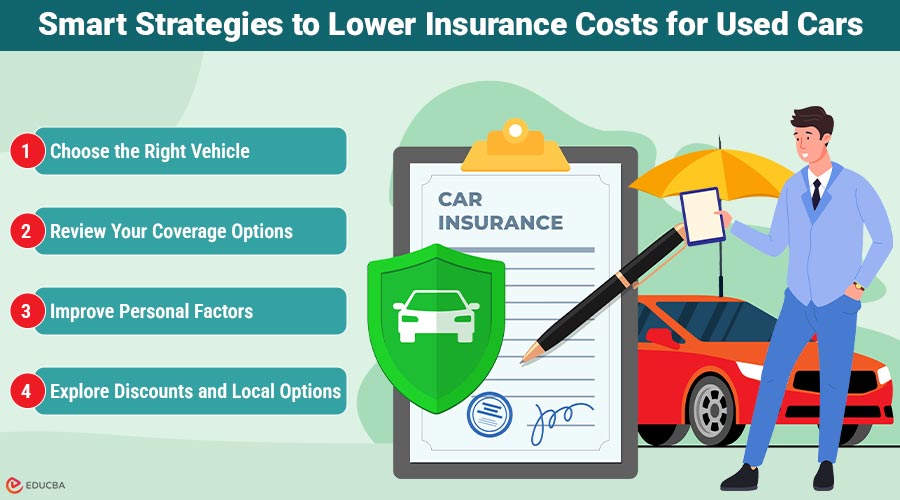
Smart Strategies to Lower Insurance Costs for Used Cars
Here are key points to help you reduce your insurance costs effectively.
1. Choose the Right Vehicle
The type of car you choose significantly affects the insurance premium you pay. Insurers closely examine a vehicle’s make, model, safety rating, and repair history, and older vehicles often attract lower premiums. This happens because older used cars typically cost less to repair or replace, reducing the insurer’s potential payout. Insurance costs vary by model, so before committing to a car, one should compare options. A vehicle with a few more miles to cover but a better safety record may be cost-effective in the long term.
Also, in addition to pricing, consider the features your car offers. Vehicles with strong safety features, anti-theft systems, and high safety ratings usually cost less to insure. Many recently used car models include modern safety features such as airbags, stability control, and parking sensors, despite common misconceptions. When assessing risk, insurers can make a difference by selecting cars with these features. A few extra dollars now would buy a safer model, which may cost you less in the long run.
2. Review Your Coverage Options
Once you have decided on the used car to buy, take time to consider coverage options that are suitable for the car and your budget. Liability coverage is mandatory, and optional features such as comprehensive and collision coverage may not be available depending on your car’s cost. If the car is older or has a lower market value, you may opt to cut or eliminate collision coverage. This is particularly useful when repair costs are close to the car’s value. One of the most effective ways to cut your insurance costs is to have your policy adjusted based on your vehicle’s age and value.
Another way to reduce your insurance premium is to increase your deductible. A higher deductible means you pay more out of pocket when you file a claim, but you lower your monthly or annual premium. This trade-off suits drivers who are comfortable with the increased financial liability in the event of an accident. The trick here is to determine a deductible level that suits you based on your savings and overall risk tolerance.
3. Improve Personal Factors
The driving record is directly related to the amount you pay in terms of insurance. In case of prior violations, do something to straighten up your record by operating carefully and remembering the speed limits. With proper driving habits, you can qualify for low rates in the long run. Other insurers offer discounts to drivers who have completed defensive driving classes, so it is advisable to take them to demonstrate greater responsibility and eligibility for lower premiums.
Another significant factor in insurers’ premium calculations is your credit score. A higher score signals to insurers that you handle financial responsibilities responsibly. If you plan to purchase a used car soon, review your credit report and improve it if it is unsatisfactory. Small debt settlements or correcting errors may also get your score back on track and result in visible savings on insurance quotes.
4. Explore Discounts and Local Options
Insurers provide various discounts such as safe-driver, multi-policy, and low-mileage discounts that many policyholders miss. Questions to ask include safe-driving savings, home-and-auto policy bundling, and even low annual mileage. When you switch to a used car that will not be driven as frequently or over long distances, the change alone may reduce premiums. Even small discounts can add up, and some insurers may offer special discounts based on your professional or student status.
If you are in a state with competitive insurance markets, you may find unexpected price variations by shopping around and getting quotes. Indicatively, a person searching for auto insurance Ontario may be attracted to the fact that insurers differ most widely in their approach to risk and premium calculations. With online quotes and direct communication with representatives, you can achieve a higher quality rating and obtain coverage that is approvable for the purchase of a used car. Comparing policies ensures you select one that protects your car and supports your financial goals.
Final Thoughts
Buying a used car already puts you in a strong position to save money, and those savings do not have to stop at the purchase price. By choosing the right vehicle, tailoring your insurance coverage, improving your personal finances, and comparing multiple insurance providers, you can effectively lower insurance costs for used cars. A little planning and research go a long way toward securing affordable insurance that fits your budget and gives you peace of mind on the road.
Recommended Articles
We hope this guide on lower insurance costs for used cars helps you make smarter choices for your coverage. Check out these recommended articles for more tips and strategies to save on car insurance.

