


Updated December 22, 2025
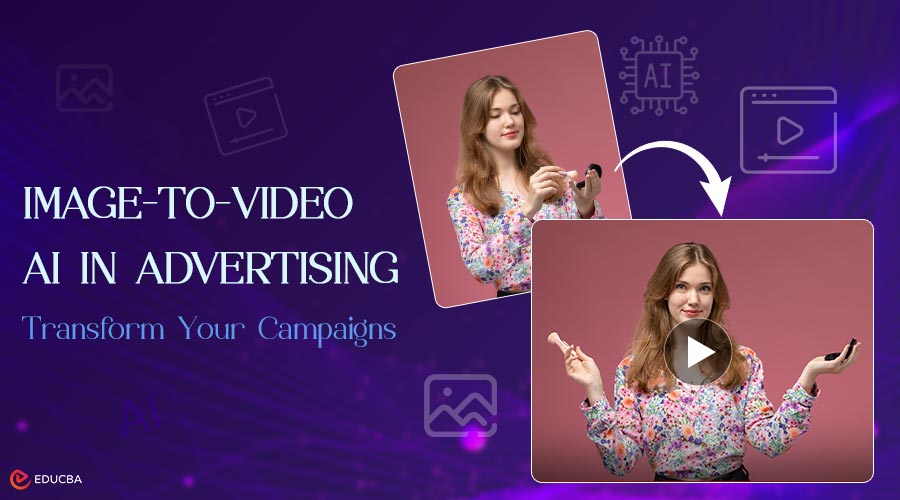
The Future of Image-to-Video AI in Advertising Campaigns
Advertising is an ever-evolving industry, shaped by emerging technologies and shifting consumer preferences. Brands continually seek innovative ways to capture attention, communicate messages, and stand out in an increasingly crowded digital landscape. Among the most exciting technologies transforming modern marketing is image-to-video AI in advertising. By converting static images into dynamic, motion-rich videos, marketers can craft visually engaging campaigns that resonate with audiences, boost engagement, and deliver measurable results.
Revolutionizing Creative Production
Conventional video production is often labor-intensive and time-consuming, requiring cameras, studios, lighting, and experienced editors. Image-to-video AI simplifies the workflow by converting images into animated videos, reducing production costs and time. Brands can quickly create multiple video variants for different audiences and platforms without costly reshoots, speeding up campaigns and enabling more creative testing.
Enhancing Audience Engagement
Videos naturally capture attention more effectively than static images, and image-to-video AI in advertising amplifies this advantage. By introducing motion, transitions, and cinematic effects, marketers can make advertisements more immersive and compelling. Animated visuals draw viewers’ eyes, increase watch time, and encourage interaction, whether through clicks, shares, or comments. For digital campaigns on platforms such as Instagram, TikTok, or YouTube, where users scroll rapidly through content, Image to Video AI ensures that ads stand out and maintain engagement.
Personalization at Scale
Personalization is now a pillar of effective advertising, and Image-to-Video AI enables brands to deliver bespoke content to different audiences. You can transform images into personalized videos by adding local elements, showcasing different product versions, or tailoring the messaging to match individual consumer preferences. This kind of customization makes campaigns more relevant and more likely to convert. Using image-to-video AI, advertisers can efficiently scale personalized video content to reach different audience segments without producing new content for each variation.
Repurposing Existing Assets
Many brands have extensive archives of product images, lifestyle photography, and other marketing collateral. Image-to-video AI in advertising enables these assets to be transformed into dynamic videos, enhancing their value and extending their usability. You can now convert static images formerly limited to social posts, websites, or emails into motion-rich content that works across multiple platforms. This reduces the need for continuous new photo or video shoots while keeping campaigns visually fresh and captivating.
Adapting to Multi-Platform Campaigns
The modern advertising ecosystem spans numerous platforms, each with different content requirements and formats. Image-to-video AI provides the flexibility to adapt content for vertical video, horizontal ads, short clips, or longer storytelling sequences. This adaptability ensures that campaigns maintain a cohesive visual identity while meeting the technical and creative needs of each platform. Brands can quickly create versatile video content, enabling them to maintain a strong presence across multiple digital touchpoints.
Shaping the Future with Image-to-Video AI in Advertising
With the development of image-to-video AI, the future of advertising will offer even more immersive, interactive, and personalized video experiences. AI-generated videos can feature advanced motion effects, 3D elements, and interactivity, creating ads that captivate audiences in ways never before possible. Also, as AI tools become more widely available, small businesses and individual marketers will be able to use image-to-video AI to compete with major brands, making high-quality video production accessible to all.
Final Thoughts
Image-to-video AI in advertising will transform the industry, enabling a new wave of video campaigns that are faster to produce, more engaging, and highly personalized. This technology helps brands tell compelling stories by cutting production costs, boosting engagement, repurposing assets, and adapting content for each platform. As AI development accelerates, image-to-video AI will soon become the focal point of advertising, shaping the future of creative campaigns and helping advertisers reach audiences in engaging, novel ways.
Recommended Articles
We hope this guide on image-to-video AI in advertising helps you understand how to create engaging video campaigns. Check out these recommended articles for more insights and strategies to elevate your advertising efforts.


