


Updated October 14, 2026
How Image-to-Video AI and Video Translation Are Reshaping Digital Creativity?
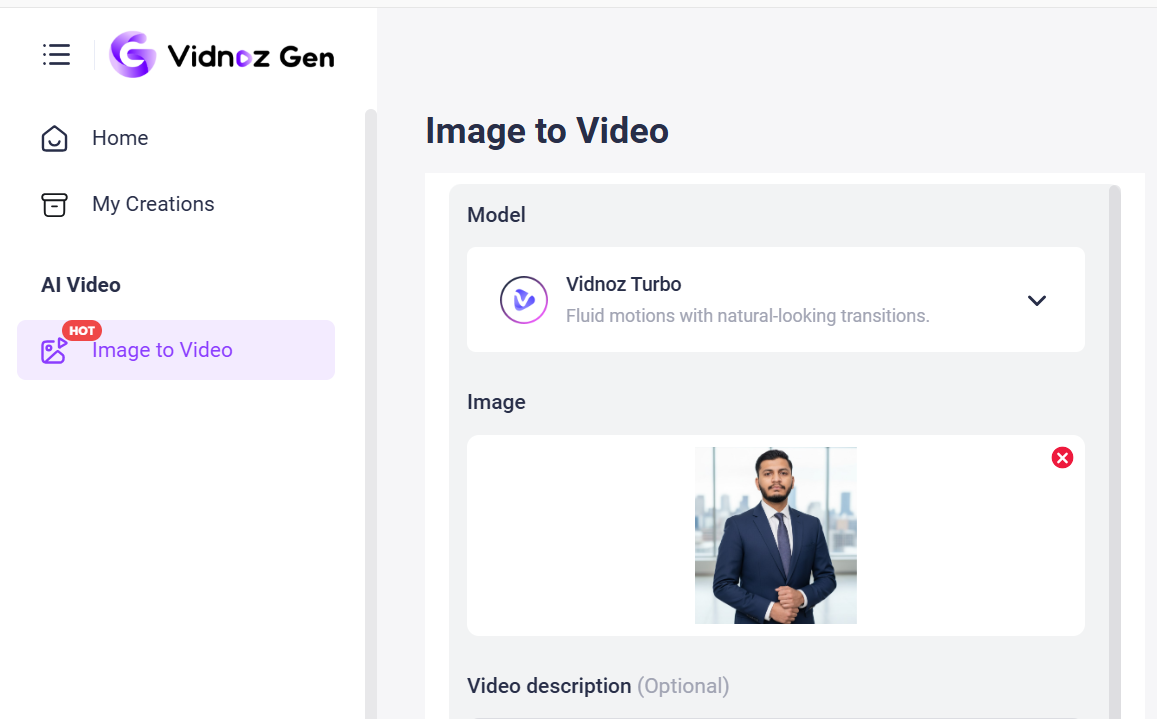
(Image Source: Vidnoz)
The digital content landscape is evolving faster than ever, and two technologies are leading this transformation: Image-to-Video AI and video translation tools. Together, they are redefining how creators, businesses, and marketers produce and globalize their content. At the center of this innovation, platforms like Vidnoz AI are making advanced multimedia creation accessible to everyone with no technical skills required. Many creators now seek a free AI video generator to produce professional-quality content without heavy investment.
The Rise of Image-to-Video AI
Traditionally, turning a single image into a fully animated video required advanced editing software, storyboard planning, and hours of manual work. However, Image-to-Video AI now enables the generation of lifelike motion sequences from a single image. This technology analyzes facial features, body posture, background elements, and artistic style to produce smooth animations that look natural and engaging. As a result, creators can use an animated video maker to transform static visuals into dynamic content quickly, without needing advanced technical skills or complex production workflows.
Imagine having a photograph of a character and transforming it into a speaking, moving avatar using Image-to-Video AI. Alternatively, turning product images into marketing videos in minutes. With AI-driven generation, creators can now:
- Animate portraits for social media and digital ads
- Create AI presenters from a single headshot
- Build cinematic scenes from conceptual artwork
- Produce storytelling videos without cameras or actors.
This new creative freedom eliminates the barriers that once held back small businesses and independent creators. Moreover, with tools like Vidnoz AI, the Image-to-Video AI process becomes even more intuitive, allowing users to upload an image, choose a voice or motion style, and generate a polished video instantly.
Breaking Language Barriers with Video Translation AI
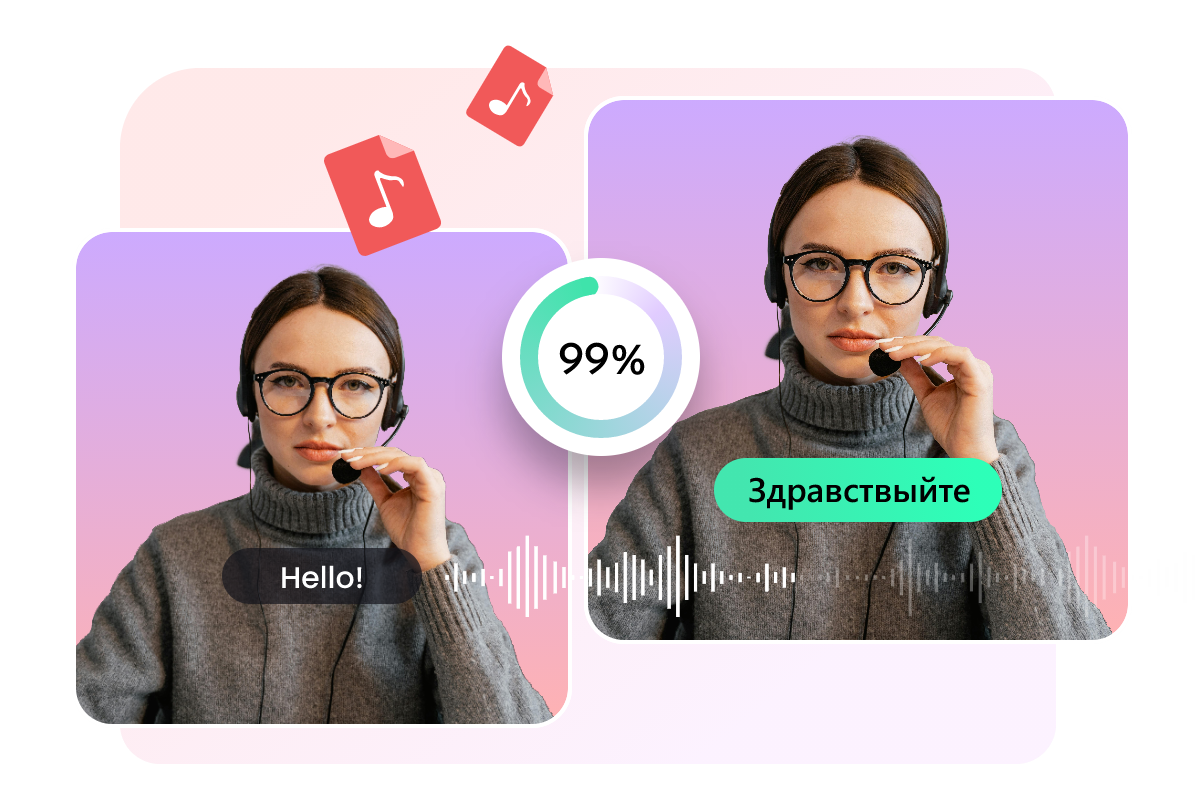
(Image Source: Vidnoz)
If Image-to-Video AI helps creators produce more content, video translator AI helps them reach a larger, global audience. Historically, translating videos involved hiring native speakers, recording multiple voice-overs, and manually syncing subtitles. Now, AI video translators can automatically:
- Translate audio into multiple languages
- Generate accurate subtitles with timing adjustments
- Clone the speaker’s voice for multilingual versions
- Lip-sync translations to match speech movements.
This technology ensures that a single video can communicate effectively with viewers from different cultures. In a world where TikTok, YouTube, and Instagram users watch content from everywhere, multilingual accessibility is becoming a must, not just an extra feature.
A brand that wants to expand internationally no longer needs large budgets. A creator who wants followers worldwide can translate their videos in minutes. Moreover, for online educators, e-commerce sellers, and corporate trainers, video translation opens the door to global engagement.
Vidnoz AI: Unifying Creation and Translation in One Platform
While many tools specialize in either animation or translation, Vidnoz AI stands out for offering both Image-to-Video AI and video translation capabilities in a streamlined workflow. Users can create a video from images, customize the character’s voice, and then translate the entire result into multiple languages, all within the same platform.
Here is how creators benefit from using Vidnoz AI with Image-to-Video AI:
- Faster production cycles: Video creators can now produce content in minutes instead of days or weeks.
- Lower costs: No need for expensive equipment, actors, translators, or editors.
- Brand consistency: Using AI-generated presenters ensures a unified look and feel across campaigns.
- Global reach: Built-in video translation lets creators localize a single video for multiple markets.
- Simple and intuitive tools: Even beginners can produce professional-grade videos with minimal effort.
By combining Image-to-Video AI and translation, Vidnoz AI empowers businesses, influencers, and educators to maintain a consistent content strategy while scaling their presence across different languages and regions.
Why Image-to-Video AI and Video Translation Matter Now More Than Ever?
As digital communication becomes more visual and more global, the demand for video content is skyrocketing. However, not everyone has access to expensive production teams or international translation services. Image-to-Video AI democratizes creativity, while video translation democratizes communication.
Together, Image-to-Video AI and video translation technologies:
- Boost engagement across platforms
- Increase consumer trust through culturally relevant messaging
- Help brands maintain authenticity across languages
- Empower creators to explore new visual styles
- Save time and resources without sacrificing quality.
In the near future, we can expect even more integration, like fully interactive Image-to-Video AI avatars, real-time multilingual video conversations, and personalized video recommendations generated on the fly.
Final Thoughts
Image-to-Video AI and video translation tools actively shape the future of how people tell, share, and understand stories. With all-in-one platforms like Vidnoz AI, creators can turn simple images into compelling videos with Image-to-Video AI and translate them effortlessly for global audiences. As these technologies continue to evolve, the world of digital content will become more creative, inclusive, and accessible to everyone.
Recommended Articles
We hope this guide helps you create smarter, faster, and more engaging video content. Explore these recommended articles to discover more tips, tools, and strategies for AI-powered creativity and global communication.


