


Role of HR in Business: Overview
Many people ask the question: What is the role of HR in business? The answer is a myriad of different things that are central to the running of a successful business. A strong human resources department has numerous roles within businesses of all sizes. HR should work for your company rather than against it, and employees must understand the role that it plays within the business. If you are a manager or run a business of your own, you should work closely with your HR department on several key issues.
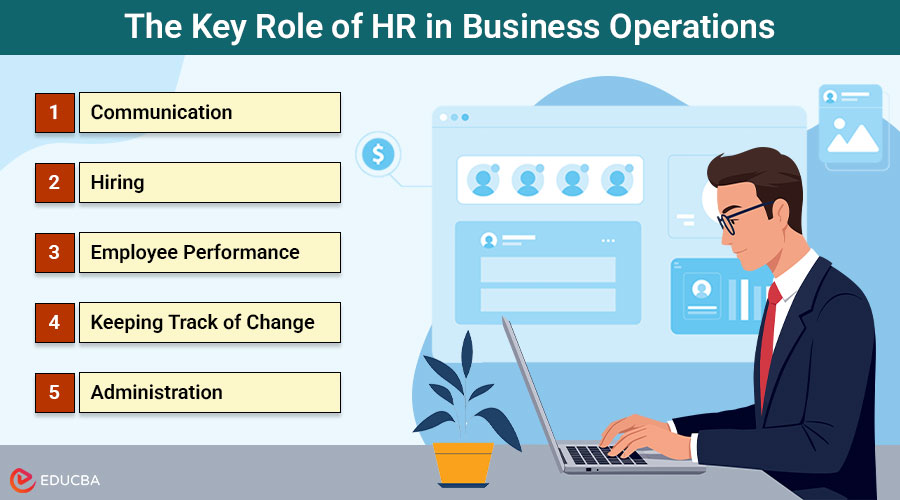
The Key Role of HR in Business Operations
HR handles many important responsibilities that directly support business operations. Below are some of the key areas where the role of HR in business makes a big impact.
1. Communication
Your HR department will often act as a sounding board for your employees and also as an intermediary between management and workers. Every staff member must fully understand the company’s HR policy and resolve all issues through official channels. As a business owner, you should consult and communicate with your HR department regularly to develop strategies for the development of your company and all your employees.
2. Hiring
Your HR department is often your first port of call when it comes to the recruitment of new members of staff. Whether putting out advertisements looking for new employees or attending employment fairs, they are often the people who screen potential staff members and call the most suitable for an interview. Suppose you have a particularly trustworthy HR department. In that case, you can have them in on the interview process too, so you can find out their opinions as they have unique insights into how well the interviewee is likely to fit into the company. When the new employees start, they will also take them through orientation activities to introduce them to the company.
3. Employee Performance
Your HR department should play a central role in the development of your team by conducting training activities and monitoring employee performance. The department’s job is to keep both employees and employers informed about their progress, set targets, and track whether they achieve them. The department can also help resolve any disputes that may occur and provide a place to go when personal or professional issues come up. This helps to free up more of your time to focus on running the business.
4. Keeping Track of Change
Sometimes, key changes to Governmental policy or the law will arise, and your HR department should keep on top of this and let you know how your company needs to react. For example, there may be a change in pension policy or other workers’ rights that you need to know about, so that you know how to make sure that your company remains compliant with the law. If you plan to become an expert, check out courses for human resource management.
5. Administration
Though you may have a dedicated admin department, your HR department will likely work closely alongside them to help with the day-to-day running of the business. This kind of work plays a crucial role in keeping a business running smoothly and efficiently.
Final Thoughts
The role of HR in business is essential for building a strong, successful company. HR handles important tasks like hiring, training, employee support, and making sure your business follows legal rules. A good HR department also improves communication between staff and management, helping to create a positive work environment. Partnering with your HR team allows you to concentrate on growing your business while they handle employee needs and company policies. Whether you run a small business or a large company, HR plays a key role in keeping everything organized and running smoothly.
Recommended Articles
We hope this guide on the role of HR in business helps you understand how effective human resources practices drive organizational success. Explore these recommended articles for more tips on HR strategies, employee engagement, and business growth.


